
Shrink Film Types for Food Packaging: POF, PVC, PE and PET Compared
Packaging is one of the key factors in keeping food products safe, fresh and attractive. Shrink wrapping is among the most advanced packaging methods: it protects freshness and hygiene and lets brands put a clean, appealing product on the shelf. This article introduces the main types of shrink film and their uses in the food industry, and explains how choosing the right heat shrink wrap makes a visible difference to packaging quality and customer satisfaction.
Benefits of shrink wrap packaging in the food industry
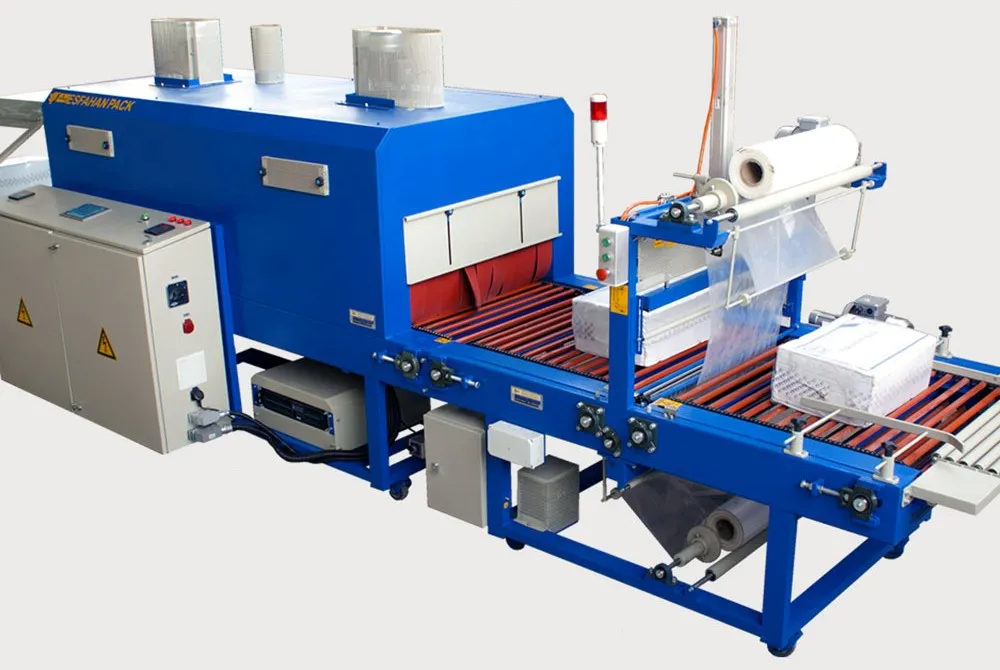
Shrink wrap has become very popular in food packaging because of its excellent properties. It protects products and also extends shelf life and freshness. When heat is applied in a shrink tunnel or with a heat gun, polyolefin or polyethylene film shrinks tightly around the product, forming a strong, tamper-evident wrap that prevents mechanical damage and keeps moisture out.
Common uses of shrink film in food packaging
Shrink packaging is used across the food industry for fruit and vegetables, meat and poultry, dairy products and ready meals. It acts as a protective layer against contamination, moisture and dust, and helps products last longer.
Shrink film is also ideal for bundling and multipacks, such as packs of juice cartons or plastic bottles. Alongside its shrink film range, Kimia Pardis Melal manufactures and supplies plant-based tableware and aluminum foil containers as environmentally responsible options for food packaging. See our shrink film and aluminum foil page for products.
Types of shrink film for food packaging
| Shrink film type | Properties | Advantages | Disadvantages |
|---|---|---|---|
| Polyethylene (PE) | Light, flexible, moisture-resistant | Lower cost, high impact resistance, good for irregular shapes and bundle wrapping | Lower heat and tensile resistance, less clarity |
| Polypropylene (PP) | Heat-resistant, clear, strong | Suitable for foods that need heat resistance; excellent clarity, high tensile strength | Higher cost, brittle at low temperatures |
| Polyolefin (POF) | A blend of polyethylene and polypropylene with high heat resistance | Withstands heat and temperature changes; good clarity, high tensile strength, food-safe | Higher price than PE |
| Polyvinyl chloride (PVC) | Light, inexpensive, very clear | Affordable, gives a tight and precise wrap | Low heat resistance, poor environmental profile, possible odour |
| Polyester (PET) | Heat-resistant with high clarity | Long service life, good barrier to gas and moisture | Higher cost, stiffer and more brittle than other films |
How multilayer shrink film increases strength
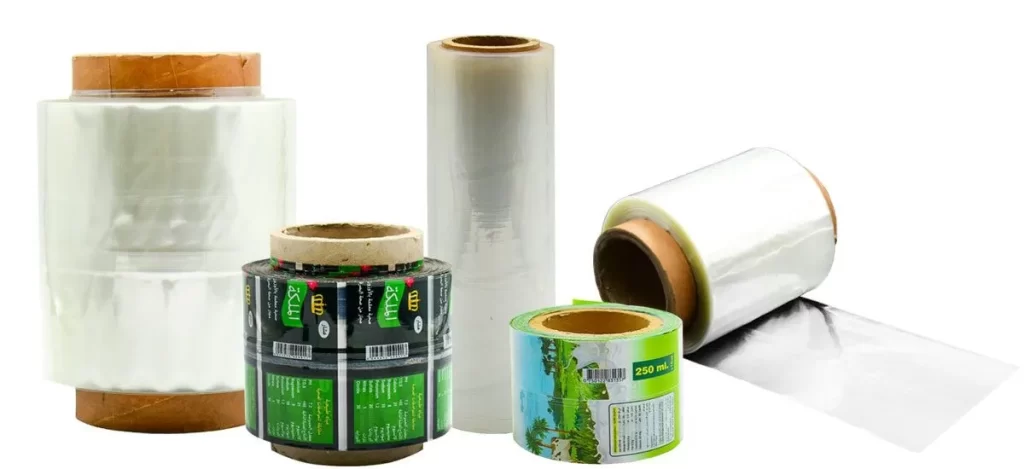
One major advantage of modern shrink films is their multilayer structure, which increases the strength and durability of the pack. By combining materials such as polyethylene and polypropylene, multilayer (co-extruded) shrink films form an effective barrier against outside conditions. The layers improve resistance to tearing, puncture and temperature changes, which is essential for food quality and safety.
Choosing the right shrink film for food products
The right film depends on the product, the storage conditions and what the customer needs. Polyethylene films suit packs that need more flexibility, while polyolefin films are stronger and more resistant to heat and pressure.
The correct choice makes a big difference to packaging quality and shelf life. With a varied, high-quality range, Kimia Pardis Melal helps food producers achieve packaging with the best possible performance and durability.
Is PVC shrink film suitable for food packaging?
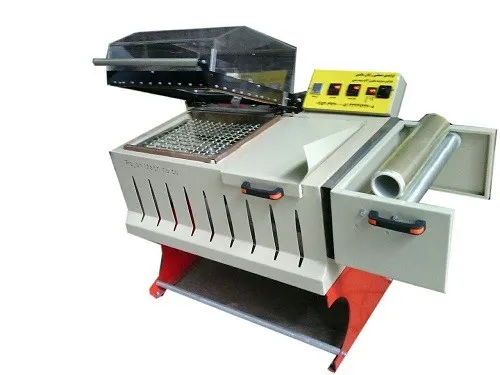
PVC (polyvinyl chloride) film is one of the oldest and most widely used shrink materials, but in the food industry it has limitations. Its lower heat resistance and weaker environmental profile can make it a poor choice.
PVC can also cause problems such as unpleasant odours with certain foods. For that reason POF and PE shrink films are considered better options for wrapping food. Kimia Pardis Melal always aims to offer the best and safest options for food packaging.
In short: the right shrink film depends on the needs of each product. By weighing the pros and cons of PE, PP, POF, PVC and PET films, you can find the best way to protect quality and freshness. High-quality shrink film, carefully chosen, extends shelf life, improves appearance and makes packaging safer. With its experience in producing and distributing packaging, Kimia Pardis Melal is ready to advise you and supply shrink film rolls at wholesale prices.
Talk to our export team
English and Arabic spoken. Send us your products, quantities and destination country and we will reply with prices, availability and shipping options.