
10 Reasons to Replace Plastic Tableware with Plant-Based Tableware
Today, the need to change our lifestyle and choose sustainable products is felt more than ever. One of these essential changes is replacing plastic tableware with plant-based tableware, which has many positive effects on the environment, human health and even the economy. Below we look at this change and the reasons plant-based tableware comes out ahead.
1. Eco-friendly
Because plastic tableware does not biodegrade, it stays in nature for decades and causes widespread pollution. It usually breaks down into microplastics that contaminate soil, water and even food. Plant-based tableware, by contrast, is made from natural materials such as corn starch (our CTECH range is made from corn starch) and returns to nature within a few months under the right conditions.
Replacing plastic tableware with plant-based tableware is an effective way to reduce non-biodegradable waste. It can play an important part in cutting greenhouse-gas emissions and keeping ecological balance, and it helps prevent pollution of water and soil. This green move sends society a message about the importance of the environment and of the health of future generations.
2. Protecting human health
One of the biggest problems with plastic tableware is the harmful chemicals some plastics can release on contact with food, especially hot food. These substances have been linked to health concerns, including hormonal effects and allergies. Plant-based tableware, on the other hand, is made from natural raw materials and does not contain these substances. So replacing plastic tableware with plant-based tableware helps protect public health.
3. Preventing water pollution
Plastic waste enters seas and rivers on a large scale. It breaks down into microplastics that are swallowed by aquatic animals and eventually enter the human food chain, causing serious problems. Because plant-based tableware breaks down quickly, it helps prevent these problems and protect water resources.
4. Saving non-renewable natural resources
Making plastic tableware depends on oil, one of the Earth’s non-renewable resources, while the raw materials of plant-based tableware come from renewable, plentiful sources such as starch. By using plant-based tableware, we can preserve the planet’s valuable resources for future generations and support sustainable development.

5. Suitable for hot food
Plastic containers often lose their shape in contact with hot food and raise concerns about chemicals migrating into it. Plant-based containers are designed to hold hot food, which makes replacing plastic tableware with plant-based tableware a smart, safe choice. Always check each product’s temperature guidance, especially before using it in a microwave or oven.
In addition, plant-based containers do not conduct heat as quickly as some materials, so they are more comfortable to hold when filled with hot food. These containers are not only good for the environment but also make everyday use safer and more convenient.
6. Lower waste-management costs
Managing plastic waste is expensive. Plastic waste stays in landfills for a very long time and does not break down. Because plant-based tableware breaks down quickly, it puts less financial strain on waste-management systems and reduces the costs of recycling and disposal.
Using plant-based tableware also reduces the need for landfill space, because it breaks down easily without harming the ecosystem. This means less buried waste and more efficient waste management, which in the end cuts extra costs and improves environmental conditions. So plant-based tableware benefits not only the environment but also public budgets and the efficiency of city services.
7. Supporting local industry and jobs
As public awareness of sustainable products grows, the plant-based tableware industry in Iran has grown too. Companies such as Kimia Pardis Melal, by supplying high-quality plant-based tableware, play an important part in reducing reliance on plastic. Using these products helps the environment and also creates new jobs and supports economic growth.
This trend creates jobs in many industries, increases demand for local products and boosts related sectors such as agriculture and processing industries. It also helps raise the quality of local products and their competitiveness in global markets.
8. Variety and attractive design
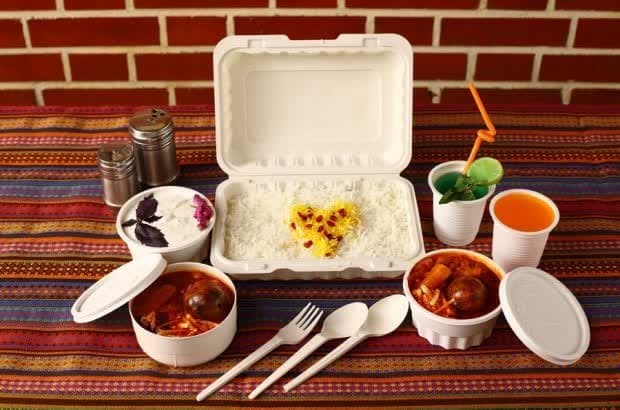
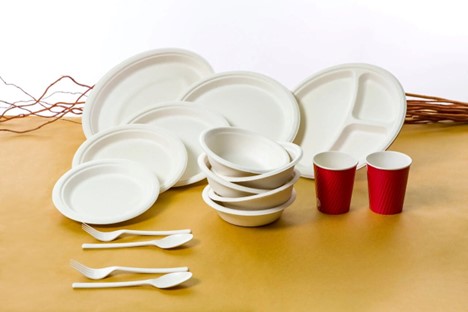
Thanks to the flexibility of their raw materials, plant-based containers come in many designs and sizes. From simple plates and cups to smart, modern packaging, they meet many different needs, so consumers choose them not only for their environmental benefits but also for their looks.
Colours and designs to suit different tastes also make these products ideal for ceremonies and events. With their attractive, practical design, plant-based tableware is a green and stylish choice for everyday life.
9. Raising awareness and social responsibility
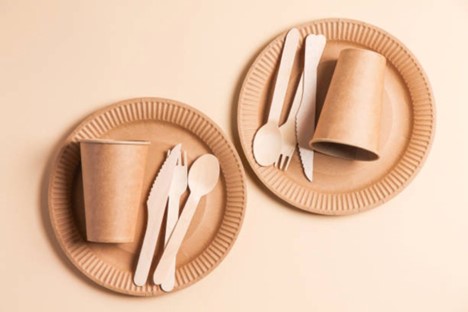
Choosing plant-based tableware instead of plastic shows a commitment to protecting the environment and public health. It sends a strong message of responsibility to those around you and can encourage others to use sustainable products. Using plant-based tableware also helps spread a culture of respect for nature and encourages the next generation to protect the Earth’s valuable resources. Over time, such actions can bring positive changes in everyday behaviour and build a more aware, caring society.
10. Protecting ecosystems and wildlife
Animals, especially sea creatures, often mistake plastic for food and eat it, which can kill them. Replacing plastic tableware with plant-based tableware can play a key part in preventing this.
Because it biodegrades, plant-based tableware is not a lasting threat to wildlife and helps reduce the build-up of plastic waste in natural habitats. This small change can have a big effect on protecting ecosystems, preserving biodiversity and reducing harm to the food chain: a move towards a more sustainable world and a brighter future.
What are plant-based containers made of?
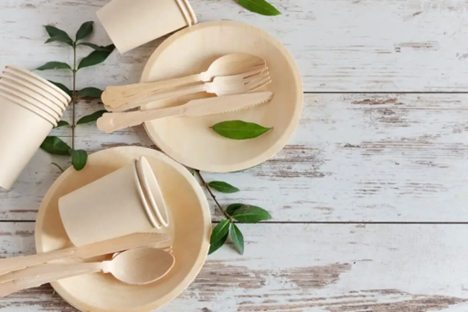
Kimia Pardis Melal’s plant-based containers are made from corn starch. Corn starch is a renewable material that comes from plants, not from oil. That is why a plant-based container breaks down after use, under the right conditions, and returns to the soil, while plastic stays in nature for years.
Cellulose and paper containers are another way to replace plastic; they are made from sugarcane bagasse. To learn more about the difference, read our article on biodegradable disposable tableware.
How can plant-based tableware make your brand greener?
Using plant-based tableware does more than help the environment; it also improves your brand image. Today many customers prefer brands that care about the environment.
If you run a restaurant, café, fast-food outlet or catering business, serving food in plant-based containers shows customers that you care about their health and the future of the planet. This choice can attract new customers and increase the loyalty of existing ones.
Why choose plant-based tableware?
Replacing plastic tableware with plant-based tableware is an effective step towards protecting the environment, reducing pollution and protecting public health. With their particular properties, from suitability for hot food to fast biodegradation, these containers are an ideal choice for everyday use.
If you are looking to buy plant-based tableware, we recommend the products supplied by Kimia Pardis Melal, whose high quality and varied designs have won customers’ satisfaction. See our plant-based tableware and price list.
By choosing plant-based tableware, you not only help protect the environment but also take a big step towards a sustainable, responsible culture.
Final word
Replacing plastic tableware with plant-based tableware is a small but very effective step for protecting the environment, human health and wildlife. It helps reduce pollution and plastic waste, and it shows social responsibility and a commitment to a greener future. Let’s do our part to protect our planet by choosing plant-based tableware.
Talk to our export team
English and Arabic spoken. Send us your products, quantities and destination country and we will reply with prices, availability and shipping options.