

Plant-Based vs Plastic Tableware: Which Is Better?
Today, choosing the right tableware affects not only our convenience and costs but also the environment and human health. Plant-based and plastic tableware are the two main options, and in many cases one replaces the other. But which is better? In this article we compare the two and look at the pros and cons of each.
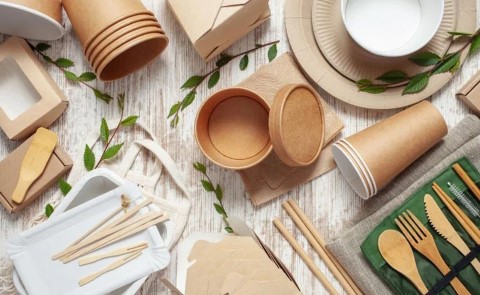
Plant-based tableware: an eco-friendly choice
Plant-based tableware is made from natural materials such as corn starch (our CTECH range is made from corn starch) and is one of the newest options on the tableware market. It is usually biodegradable and, compared with plastic, breaks down easily in nature, so plant-based and plastic tableware affect the environment and human health in very different ways.
Using plant-based tableware helps reduce pollution, because plastics stay in the ground for hundreds of years and end up causing environmental problems. Besides being biodegradable, plant-based tableware is made from natural materials, which makes it a safer choice for people.
Plastic tableware: widely used, with negative effects on the environment
Plastic tableware is used everywhere today, but it brings many problems. The biggest is that it does not biodegrade: it stays in nature for a very long time and harms water and soil.
In addition, because plastics are made with various chemicals, some of them can raise health concerns. So where the environment and health are priorities, plastic tableware is not the best choice.
Cost: cheaper or more expensive?
Cost is one of the key factors when choosing tableware. Plastic tableware is usually cheaper than plant-based tableware, because its production processes are simpler and its raw materials cheaper.
Plant-based tableware is usually more expensive because it uses natural materials and more complex processes. Even so, many suppliers today, including Kimia Pardis Melal, are working to bring costs down and offer more affordable products. See our price list.
Health and hygiene: which is safer?
Some plastic tableware contains chemicals such as BPA, which have been linked to health concerns such as hormonal effects. These substances can migrate into food on contact, especially hot food. Plant-based tableware, by contrast, is made from natural materials and does not contain BPA, so for people who care about their health it is the better option.
Disadvantages of plant-based and plastic tableware
| Type | Disadvantages |
|---|---|
| Plant-based tableware | Less resistant to very high heat Higher cost than plastic May break down quickly in humid conditions |
| Plastic tableware | Not biodegradable; pollutes the environment Health concerns (some contain harmful chemicals) High energy use in production and processing |
Environmental impact: the harm of plastic and the benefits of plant-based tableware
One of the biggest advantages of plant-based tableware is that it biodegrades. Under the right conditions it breaks down in soil in a relatively short time and leaves no lasting pollution, while plastic stays in the ground for hundreds of years.
Plastics can also harm wildlife, because animals may eat plastic left in nature. Plant-based tableware does not pose this lasting risk to wildlife.

Government support: rules that favour plant-based tableware
Many countries have introduced laws and regulations to reduce plastic use and promote biodegradable tableware. These rules help suppliers of plant-based tableware offer their products at better prices and encourage consumers to buy them.
In this field, Kimia Pardis Melal, a leading supplier of plant-based tableware, offers high-quality products that meet environmental and hygiene standards.
Buying plant-based tableware: a smart choice for the environment and health
If you care about the environment and your health, plant-based tableware is the eco-friendly choice: it is made from biodegradable materials and is free of the harmful chemicals that can damage health.
Plastic tableware usually does not biodegrade and can harm the environment, but because of its particular properties it remains a suitable option in some cases, such as for cold food and drinks.
Buying plant-based tableware from reputable suppliers such as Kimia Pardis Melal helps you choose high-quality, eco-friendly products.
What are plant-based and plastic disposables best used for?
Uses of plant-based disposable tableware
- Serving hot and cold food: plant-based containers suit both hot and cold dishes. Check each product’s temperature guidance before using it in a microwave or oven.
- Serving food in public places: an excellent option for schools, hospitals, offices and companies, meeting their everyday needs.
- Catering in transport: in the transport industry, plant-based tableware is known as an efficient, eco-friendly option for in-flight, on-train and catering service.
- Food packaging: food companies can use plant-based containers to package their products, keeping quality while using natural materials.
- Fast-food and restaurant packaging: for packing food at fast-food outlets and restaurants, plant-based containers help keep food fresh while reducing harm to the environment.
Uses of plastic tableware
- Serving cold food and drinks: plastic containers are mostly suited to serving cold items such as cold drinks, milk or water, which do not need high temperatures.
- Not recommended for hot food: using plastic containers for hot drinks such as tea or for hot food can affect the taste, and raises concerns about chemicals in the plastic migrating into the food.

What types of disposable tableware are on the market?
There are many types of disposable tableware on the market. In general they include:
- Paper tableware
- Plant-based tableware
- Cardboard trays and platters
- Aluminum foil containers
- Plastic tableware
Final word
In the end, the choice between plant-based and plastic tableware depends on your priorities. If you care about the environment and your health and want to play your part in protecting the planet, plant-based tableware is the better choice. It may cost more, but its biodegradability and the way it spares the environment and health make it a sustainable, responsible choice.
Plastic tableware, however, is still cheaper and easier to find; it brings environmental problems but costs less. Overall, using plant-based tableware can be a big step towards protecting the environment and human health, and towards making the world a better place to live.
Talk to our export team
English and Arabic spoken. Send us your products, quantities and destination country and we will reply with prices, availability and shipping options.


