
Are Aluminum Foil Containers Safe? Oven Use, Food Contact and Health Facts
As ready-made packaging takes over takeaway and food service, many buyers ask the same question: are aluminum foil containers really safe for food, or can they harm your health? Families, restaurants and caterers all want a clear answer. This guide looks at the science in practical terms: the possible risks, the benefits, and how to use foil trays and foil pans safely. If you cook, bake or pack food in aluminium foil containers, read on.
What are aluminum foil containers and how are they used?
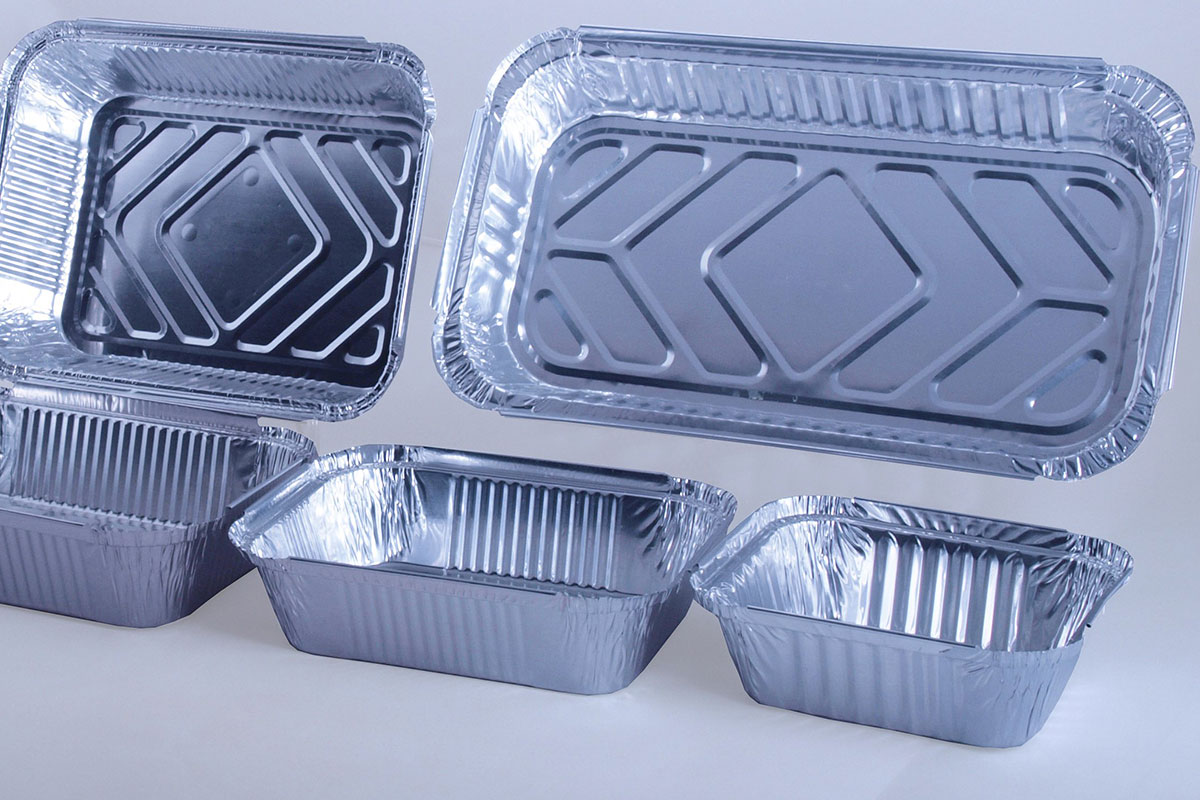
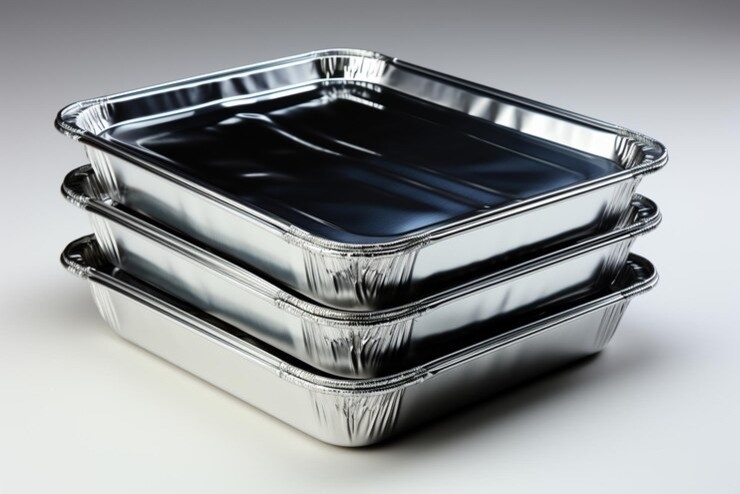
Disposable aluminum foil containers are pressed from thin, formable aluminium foil that withstands high temperatures. They come in many shapes and sizes, from small takeaway foil containers with lids to large catering trays and roasting pans, and they are popular because they are lightweight, heat-resistant and recyclable. Typical uses include:
- Packing takeaway meals and fast food
- Storing cooked food in the fridge or freezer
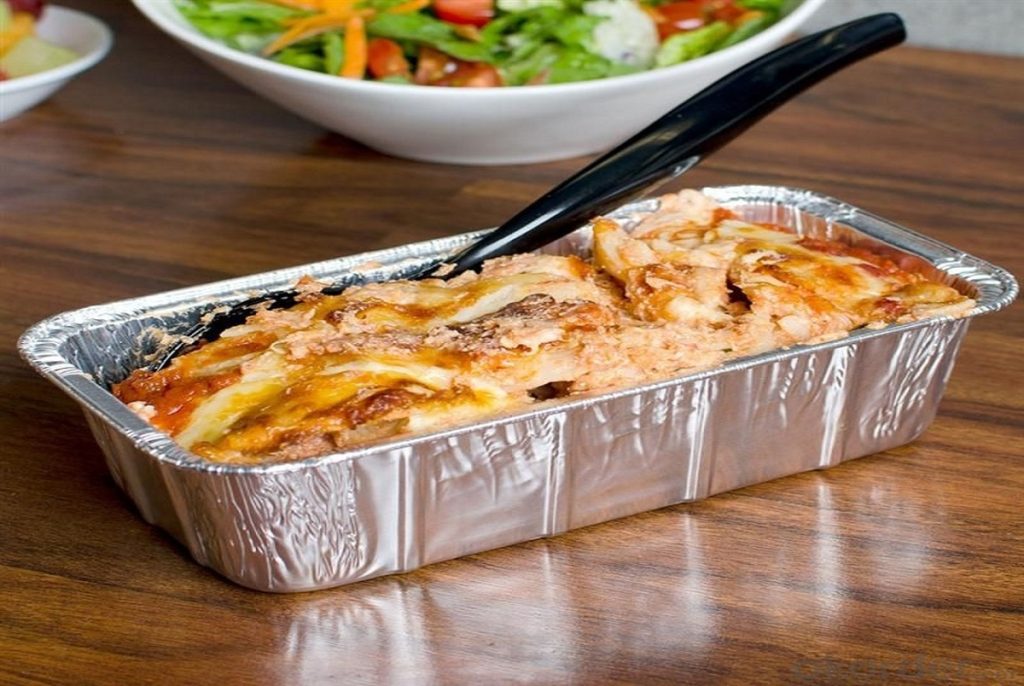
- Reheating or baking food in the oven or over indirect heat
- Serving hot or cold dishes at events, restaurants and catering jobs
Kimia Pardis Melal is a leading manufacturer and supplier of aluminum foil food containers in Iran, offering a wide range made to food-hygiene standards. See our full range of aluminum foil containers.
Does cooking in aluminum foil transfer aluminium into food?
Several studies show that cooking at high temperature in foil or foil trays can cause very small amounts of aluminium to migrate into food. Under normal use this amount is not a concern. However, if the containers are used constantly, at very high heat, or with certain foods, intake can rise above the recommended limit. For example, meat or acidic vegetables cooked in foil pick up more aluminium than other foods, which is why correct use matters.

What increases aluminium migration into food?
How much aluminium moves from foil food containers into a meal depends on several factors:
- High temperature: the hotter the cooking, the more aluminium can be released.
- Acidic foods: tomatoes, lemon, pickled cabbage and sauces absorb aluminium ions more readily.
- Additives: salt and hot spices increase the release of aluminium.
- Cooking time: long cooking in aluminium trays raises the risk of migration.
When is using aluminum trays riskier?
Using disposable foil trays carries more risk in a few situations:
- Very high-heat cooking such as grilling or direct frying
- Storing sour or salty food for a long time in the container
- Reusing single-use foil containers, which can break down the foil structure
- Cracks or scratches in the foil that expose food to bare metal
In these cases, use a different container or move the food to a safer dish.
Alternatives to disposable aluminum containers
If you want to cut down on aluminium for any reason, there are several alternatives:
| Container type | Advantages | Disadvantages |
|---|---|---|
| Glass | Durable, attractive, chemically inert | Fragile, heavy |
| Ceramic | Oven-safe, no chemical risk | More expensive |
| Stainless steel | Long-lasting, heat-resistant | Not a good heat conductor |
| Plant-based (compostable) tableware | Biodegradable, eco-friendly | Not suitable for oven baking |
Even so, because they are convenient and affordable, aluminum foil takeaway containers remain the first choice for many food businesses.
How to minimise aluminium intake when cooking
To reduce any possible risk while keeping the convenience, follow these tips:
- Avoid cooking very acidic foods in aluminium containers.
- For long, high-heat cooking, use sturdier cookware such as steel or ceramic.
- Transfer food wrapped in foil to another dish straight after cooking.
- Buy from reputable manufacturers such as Kimia Pardis Melal that control alloy quality and production standards.
- Use each container only once, and remember to recycle it.
Should you stop using aluminum foil containers altogether?
In reality, sensible use of aluminum foil containers causes no problem for healthy people. The Joint FAO/WHO Expert Committee on Food Additives (JECFA) sets a tolerable weekly intake of 2 milligrams of aluminium per kilogram of body weight, and the European Food Safety Authority (EFSA) sets a stricter 1 milligram. Most people take in less than this from all food sources. Manufacturers such as Kimia Pardis Melal, which produce food-grade containers approved by health authorities, help make these products safe to use. If you buy reliable products and follow the safety tips, there is no need to remove foil containers from daily life.
Are aluminum foil containers bad for the environment?
Beyond health, buyers also ask about the environmental impact of aluminium foil packaging. Unlike many plastic disposables that do not break down, aluminium is fully recyclable. It can be recycled again and again without losing quality, which makes it one of the most environmentally friendly metals. The problem starts when used trays are buried or burned with household waste instead of being sorted and recycled: the energy used to make them is wasted and soil and air are harmed.
Aluminum foil containers are among the most widely used, and most debated, tools for cooking and packing food. Scientific evidence has not shown a direct link between using them and serious illness, but knowing how to use them correctly removes most concerns. Choosing wisely, following good cooking practice and buying from manufacturers such as Kimia Pardis Melal that put consumer health first is the effective way to enjoy the benefits of foil containers safely.
Talk to our export team
English and Arabic spoken. Send us your products, quantities and destination country and we will reply with prices, availability and shipping options.