

Recycling Disposable Aluminum Foil Containers: How and Why?
Today, with environmental concerns on everyone’s mind, recycling has become one of the key ways to reduce pollution and reuse resources. Disposable aluminum containers hold a special place here, thanks to their unique properties and very high recyclability.
So why does recycling disposable foil containers matter so much? How is it done, and what part do consumers play in the chain? In this article, Kimia Pardis Melal, a leading supplier of aluminum containers in Iran, answers all these questions.
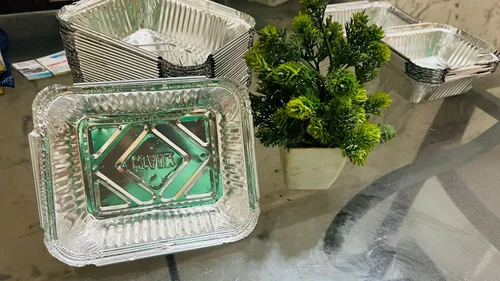
What are the features of disposable aluminum containers?
Compared with similar products, disposable aluminum foil containers have clear advantages that make them the first choice of many restaurants, caterers and home users:
- High heat resistance: suitable for heating food in the oven.
- No reaction with food: aluminum does not react with food and does not change its taste or smell.
- Clean, hygienic look: easy to keep clean, with a shiny finish.
- Light but strong: easy to carry, yet sturdy.
- Fully recyclable: they go straight back into the production cycle.
Why does recycling aluminum matter?
Compared with other metals, recycling aluminum needs far less energy: only about 5% of the energy needed to produce new aluminum from ore. So recycling disposable aluminum containers not only saves money, it also has a direct, positive effect on the environment.
To learn more about disposable foil containers, see our aluminum containers page.
The full recycling process for aluminum foil trays
Recycling aluminum containers takes a few clear steps:
| Step | Description |
|---|---|
| Collection | Aluminum foil containers are collected from around the city and from places where they are used. |
| Sorting | They are separated from other waste and cleaned of leftover residue. |
| Shredding | They are cut into small pieces so they melt more easily. |
| Melting and casting | They are melted in furnaces and cast into aluminum ingots. |
| Rolling and remaking | The ingots are rolled into new sheet and then made into new containers. |
This process is simple and cost-effective, and it keeps the production cycle going without the need to mine new material.

Are all aluminum containers recyclable?
Almost all disposable foil containers can be recycled. However, how they are kept and how dirty they are also matters. A container heavily soiled with oil, food scraps or materials that cannot be washed off can cause problems in recycling. The aluminum containers Kimia Pardis Melal supplies are made from standard alloys and are 100% recyclable.
Economic and environmental benefits of recycling aluminum
Besides cutting costs sharply, recycling disposable aluminum foil trays helps protect natural resources. Some of its key benefits are:
- Lower energy use
- Less mining of bauxite (the source of aluminum)
- Less waste going to landfill
- Lower greenhouse gas emissions
- A lower final price for consumers
These points show that recycling aluminum benefits not only producers and governments but everyone, and the environment too.
Recycling aluminum compared with other disposable materials
Compared with plastic, foam and paper, aluminum is far more recyclable. For example:
- Plastics can often be recycled only once or twice.
- Disposable foam breaks down very slowly and is not cost-effective to recycle.
- Paper needs a lot of water and chemicals to recycle.
Disposable aluminum containers, on the other hand, can be recycled again and again with no loss of quality. That is why many professional suppliers, such as Kimia Pardis Melal, focus on this category of containers.
Challenges of recycling aluminum foil containers in Iran
Although recycling aluminum has many benefits, it faces some challenges in Iran:
- Waste is rarely sorted at source
- Little recycling infrastructure in less populated areas
- Not enough information for consumers
- Outdated technology in some recycling centres
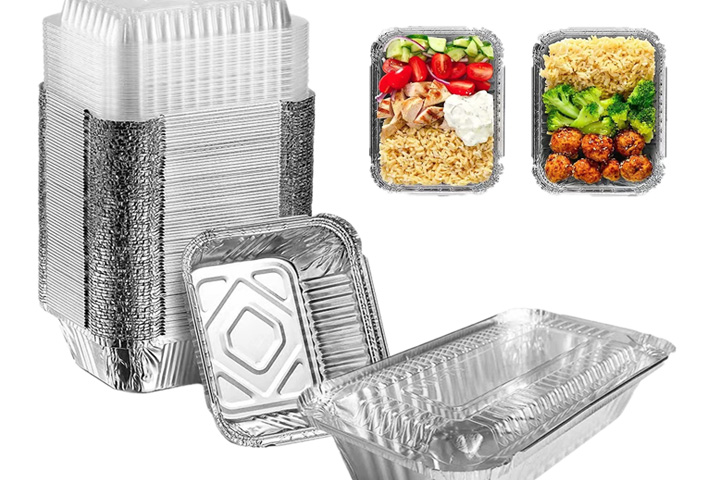
Does recycling foil containers reduce pollution?
Definitely. Aluminum left in nature takes a very long time to break down. Recycling it means:
- Less waste
- Less soil and water pollution
- Fewer toxic gases from burning waste
So recycling disposable aluminum containers is one of the most effective ways to reduce pollution.
The consumer’s role in better aluminum recycling
Producers and recycling centres are not the only ones with a role to play; consumers need to act responsibly too. A few simple steps can make recycling more effective:
- Sorting waste at source
- Rinsing containers before throwing them away
- Supporting brands that use recycled materials
- Raising awareness among friends and family
Kimia Pardis Melal has always tried to help build a recycling culture by supplying standard products and informing its customers.
Recycling disposable aluminum foil trays is not just a green choice; it is a smart way to cut costs, protect natural resources and build a cleaner future. In this article we looked at why and how aluminum is recycled, and at the part suppliers like Kimia Pardis Melal play in improving the cycle.
If you are looking for high-quality, recyclable and eco-friendly containers, the aluminum containers supplied by Kimia Pardis Melal are a reliable, smart choice.
Talk to our export team
English and Arabic spoken. Send us your products, quantities and destination country and we will reply with prices, availability and shipping options.


